We sell Oracle Integration Cloud three ways: a shared OIC user, a private user, and a private instance. All three are the same OIC, and all three come with VBCS, an ATP database and FTP. The difference is who else is on it, and how much of it is yours to control.
The short version
| If you are | Choose |
|---|---|
| Learning OIC on your own | Shared OIC user |
| Building something that should not be seen by others | Private user |
| Running a team or a training batch that needs many logins | Private instance |
| Needing full control of the instance and OCI | Private instance |
Shared OIC user
A login to an OIC instance that other customers use too, with VBCS, an ATP database and an FTP server alongside it.
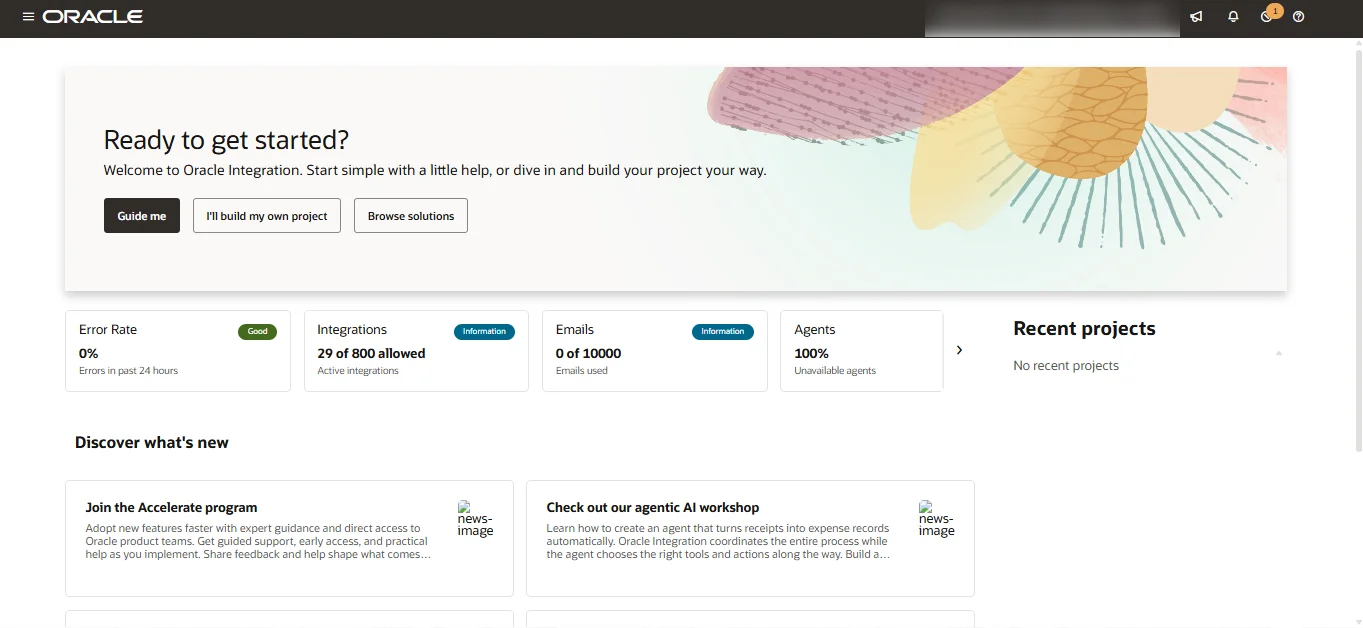
It is the most affordable way to learn OIC properly: you build real integrations, against a real database and file server, with every adapter the instance has. Because the instance is shared, other people's integrations are there alongside yours - which is useful, as there is always something working to look at and learn from.
The flip side is that a shared instance is not the place for anything private. Do not put a client's real data or confidential work on it.
Private user
Your own dedicated user, without data sharing, with private ATP and FTP users as well. It also includes Object Storage and OCI access.
This is for work that should stay yours: a proof of concept for a client, an integration you are building for an interview or a portfolio, or anything you would not want others on the instance to see. You get the same OIC with the same VBCS, ATP and FTP, but on your own users rather than shared ones.
Private instance
A whole OIC instance, not a user on one. It comes with full access to the instance, unlimited users and full OCI access, with VBCS, ATP and FTP included.
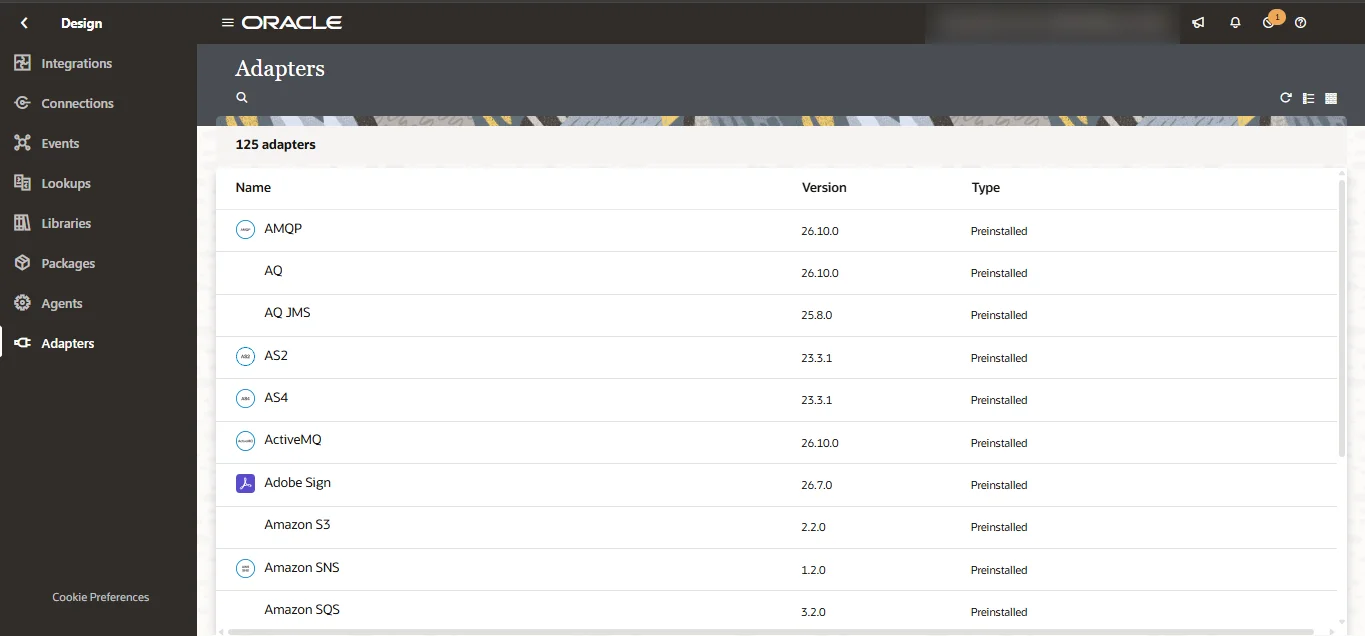
This is the plan for more than one person. A trainer running a batch can give every student their own login; a team can work on the same integrations together; and anyone who needs to administer the instance itself, not just build on it, has the access to do that.
How to decide
Ask two questions:
- Does anyone else need to log in? If you are running a batch or working as a team, choose the private instance - it is the only one with unlimited users.
- Should what you build stay private? If yes, choose the private user. If you are learning and it does not matter who sees it, the shared user is all you need.
If neither applies, start on the shared user. Each plan page lists the terms it is sold for.
Questions people ask
Is it the same OIC on every plan?
Yes. All three are Oracle Integration Cloud with VBCS, an ATP database and FTP. What changes is whether the users are shared or private, and whether you get one user or the whole instance.
What does "without data sharing" mean?
On the private user plan, your OIC, ATP and FTP users are your own rather than shared with other customers.
Which plan suits a training batch?
The private instance. It comes with unlimited users, so every student can have their own login.
Can I move from a shared user to a private one later?
Email support and we will tell you what is possible for your case.